With a paradigm shift towards the healthy diet among the population there is a huge inclination towards alternative foods like whole grains, millets, quinoa etc. With one side leading to an incredible increase in the global whole grain food market, the other documents an increase confusion among consumers as to which one is better, how to consume, which one to use etc.
Quinoa and little millet are two different ingredients that can add variety to meals. Little millet is a small-grained cereal, often called kutki or samai. Quinoa is commonly cooked and served like a grain. Choose between them according to taste, availability, cost and the dish you want to make.
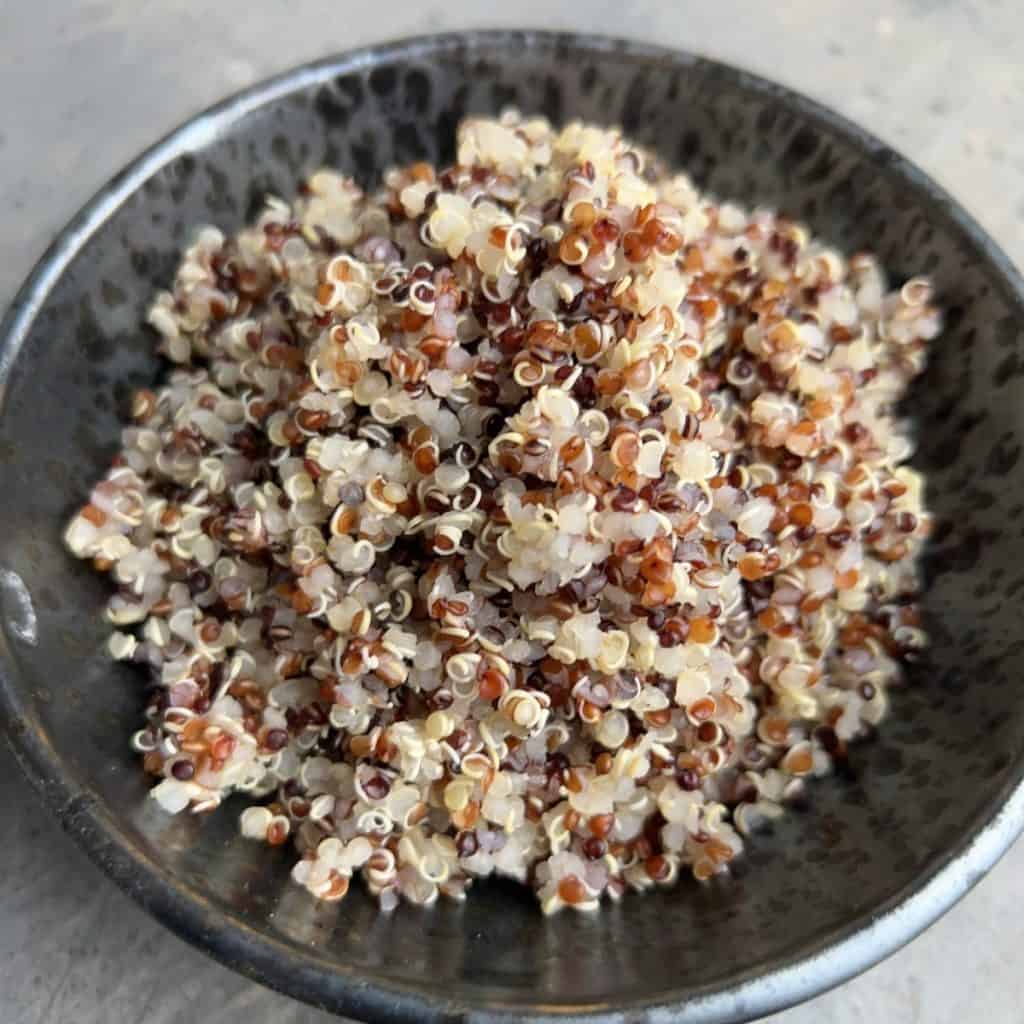
Generic Difference :
- Color –Quinoa is round in shape it comes in white, black, and red colors. Little millets are slightly smaller than Quinoa and round in shape, they come in white and yellow colors.
- Flavor – Little millet have a slightly nutty flavor which can be roasted to get an enhanced while Quinoa tastes more like cooked grain. There is a little bitterness in quinoa due to presence of saponins but can be removed by washing it properly.
- Price – Little millet is quite cheaper in comparison to quinoa
- Nutritional content – Compare the same quantity on the same basis: dry grain with dry grain, or cooked food with cooked food. Water absorbed during cooking changes the amount of nutrients per 100 g. Little millet contains lysine; describing it as lacking lysine is inaccurate. A lower level of an essential amino acid in a grain is different from its absence. Neither food needs to supply the whole diet on its own.
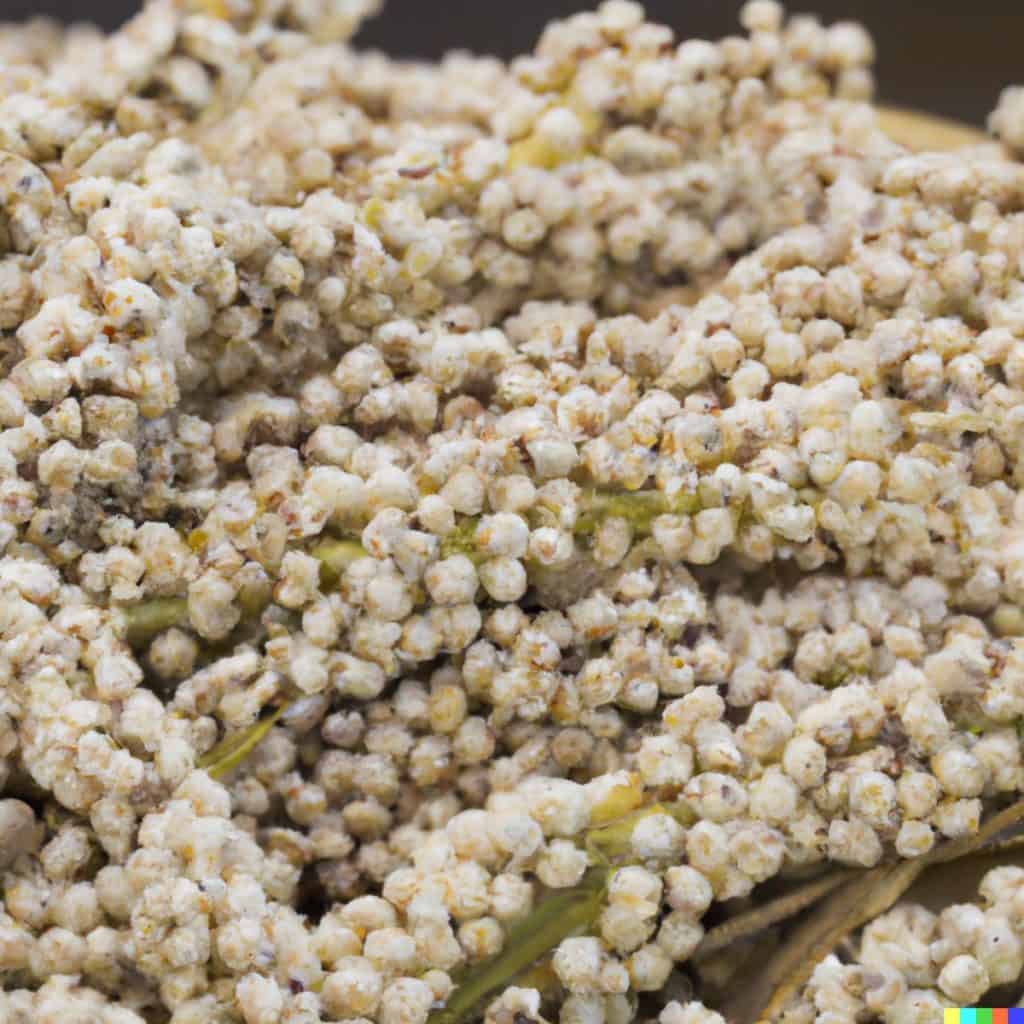
Which is more beneficial or healthier? – Nutritional Aspect
Neither quinoa nor little millet is universally the healthier choice. Both contain carbohydrate, and the portion, processing, cooking method and foods served alongside them matter. A glycemic-index value for one tested preparation should not be applied to every version of a grain or to an untested recipe. Neither ingredient guarantees weight loss or better diabetes control.
This comparison does not establish either food as a treatment for heart disease or high cholesterol. It also does not establish a thyroid restriction for little millet. If you have a thyroid condition or need a specific therapeutic diet, ask your treating clinician or dietitian for advice suited to your diagnosis and treatment.
Choose the food you enjoy and can obtain easily. Buying locally may support local growers, but where a food is grown does not by itself prove superior nutrition or protection from local infections.
For background, see FAO’s discussion of millet protein and amino acids and NIDDK guidance on diabetes meal planning.

Leave a Reply